Why This Old Irish ‘Sport’ Must End: The Hidden Cruelty of Hare Coursing
Hare coursing has been defended for generations as a rural tradition — a gathering of communities, a spectacle for spectators, and a pastime tied to the countryside. But beneath the nostalgia lies a practice that raises serious animal-welfare, environmental, and ethical concerns. It’s time to ask a simple question: should a pastime that routinely risks suffering and death be protected in the name of tradition?
What is hare coursing?
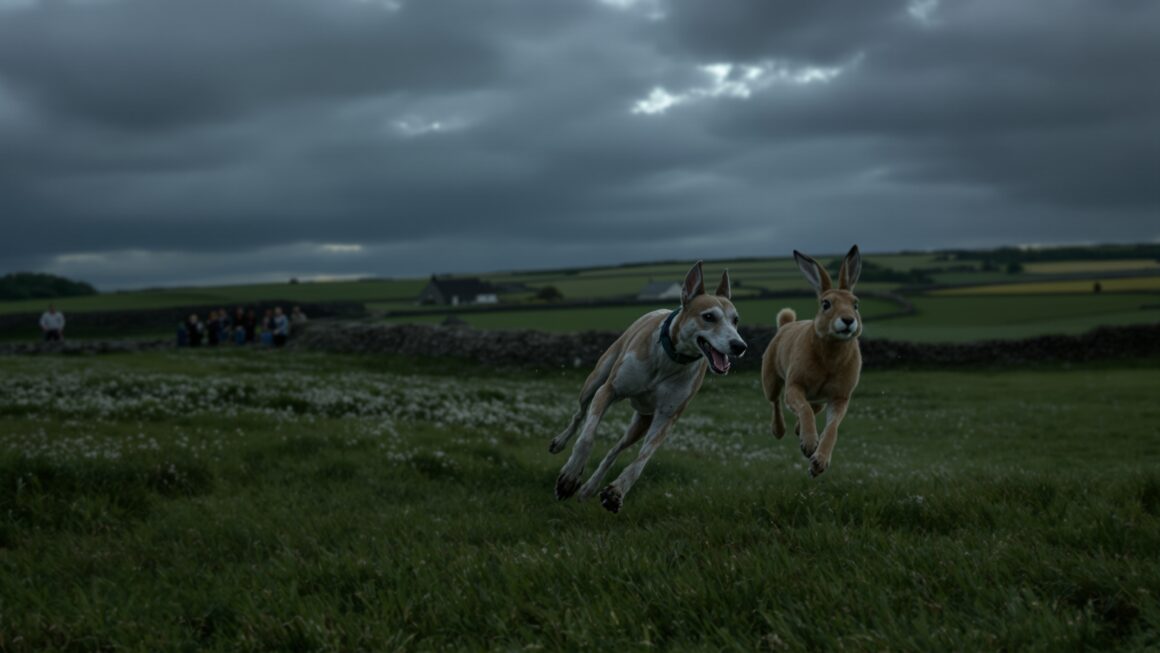
Hare coursing is an activity in which greyhounds chase live hares across fields while human judges watch how the dogs pursue and turn the quarry. Historically, supporters frame it as part of rural life and as a way to test a dog’s agility and training. In modern Ireland, coursing events also carry a gambling element and draw crowds to local meets.
Why many people say it should be banned
-
Animal suffering: A live chase is inherently stressful for the hare. Even if not always fatal, the pursuit causes extreme fear, exhaustion, and injury. Hares can be trampled, bitten, or suffer fatal trauma during or after the chase.
-
Hidden injuries and mortality: Not all harm is visible at the event. Some hares are mortally wounded or suffer injuries that only become apparent later. Even hares that appear to escape may later die from internal injuries or predation made more likely by trauma.
-
Conservation and ecosystem impacts: Hares play a role in their ecosystems. Removing individuals from local populations — through death or displacement — can have knock-on ecological effects, particularly in areas where hare numbers are already under pressure.
-
Questionable necessity: The modern justifications (sport, tradition, local economy) become less persuasive when weighed against preventable suffering. Unlike subsistence hunting or population control for ecological balance, coursing is a sport-driven activity that primarily benefits spectators and bettors.
-
Welfare standards are hard to guarantee: Even with regulation, monitoring every event and every animal is difficult. The combination of live quarry, fast-moving dogs, and large crowds creates opportunities for abuse, neglect, and accidental harm.
Common arguments in favor — and why they fall short
-
“It’s a tradition”: Tradition does not make an action morally acceptable. Many practices once defended as “traditional” have since been banned because we decided they were harmful (examples include certain forms of animal entertainment and punishments).
-
“We regulate it”: Regulation can reduce harms but not eliminate the core problem: a terrified wild animal being chased. Enforcement is costly and imperfect; a ban would remove the incentive for clandestine or poorly run events.
-
“It supports rural economies”: Rural communities need sustainable livelihoods, but economic activity that depends on animal suffering is ethically fraught. Alternatives exist: festivals, coursing-with-lures demonstrations (no live quarry), ecotourism, and community grants can replace lost income without cruelty.
Alternatives that preserve culture without cruelty
-
Lure coursing: Simulated coursing uses mechanical lures instead of live animals, allowing dogs to display agility without harming wildlife.
-
Community festivals: Rural gatherings can celebrate heritage — music, food, crafts, and responsible dog shows — that preserve social bonds without cruelty.
-
Wildlife stewardship programs: Redirecting resources into habitat improvement and conservation initiatives can create local jobs and protect wild species.
What a responsible path forward looks like
- Immediate restrictions on events that use live quarry, with strict enforcement.
- Financial and training support to help communities transition to humane alternatives.
- Public education campaigns about hare biology, welfare, and ecological importance.
- Clear legal penalties for organizers who endanger wildlife or flout welfare rules.
Conclusion
Hare coursing raises a clash between sentiment and ethics. Honoring rural heritage is important, but not when it involves needless suffering and ecological risk. With humane, economically sensible alternatives available, the strongest, fairest course is to phase out live hare coursing and support communities through that transition. Tradition should evolve when we can keep both people and wildlife safer and more respected.
If you care about animal welfare or rural communities in Ireland, now is the time to speak up: ask local representatives for humane alternatives, support conservation groups working locally, and encourage events that celebrate culture without cruelty.