7 in 10 Irish People Love This Game — Here’s Why Gaelic Football Still Steals Every Heart
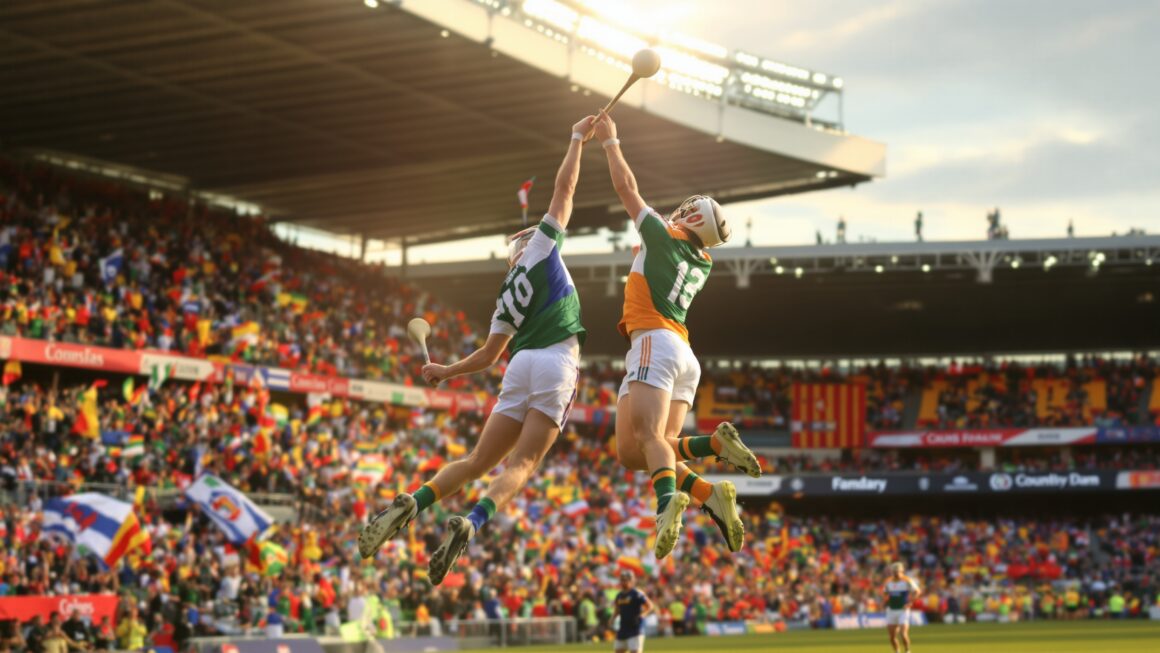
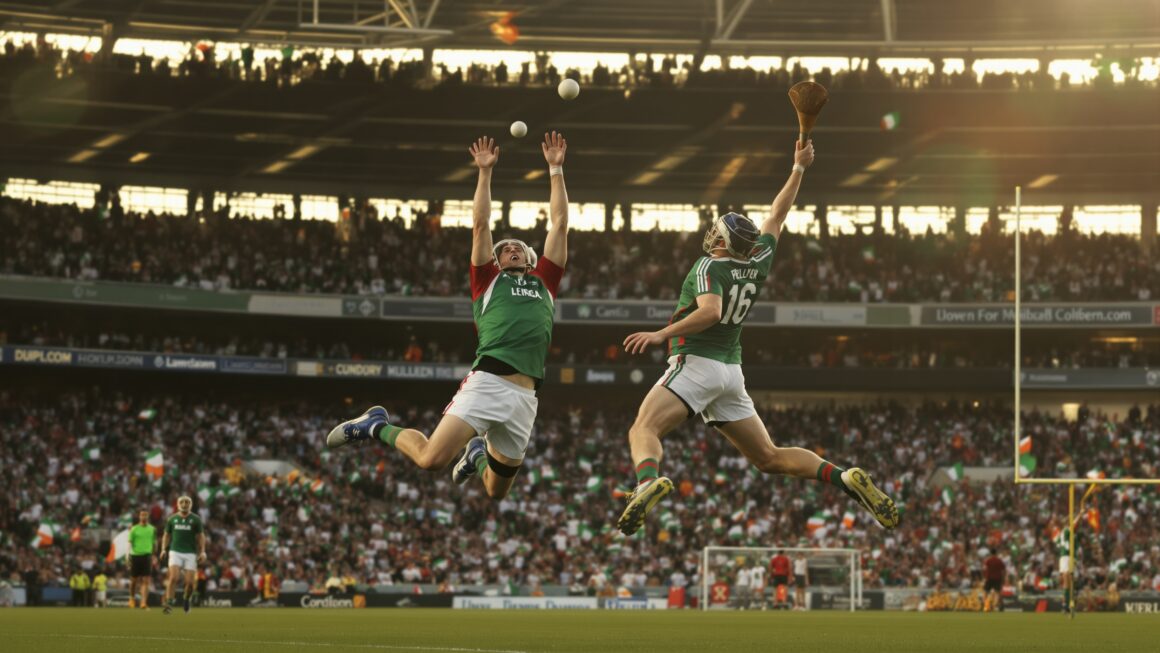
Imagine a stadium vibrating with drums, flags snapping in the wind and a crowd shouting as one when the ball flies between the posts. That scene — fierce, friendly, unforgettable — is the reason so many people in Ireland are hooked on Gaelic football. If 7 out of 10 Irish people say they love this game, it’s not just about sport. It’s about community, identity and a kind of joy you can feel from the terraces.
What is Gaelic football (in plain terms)
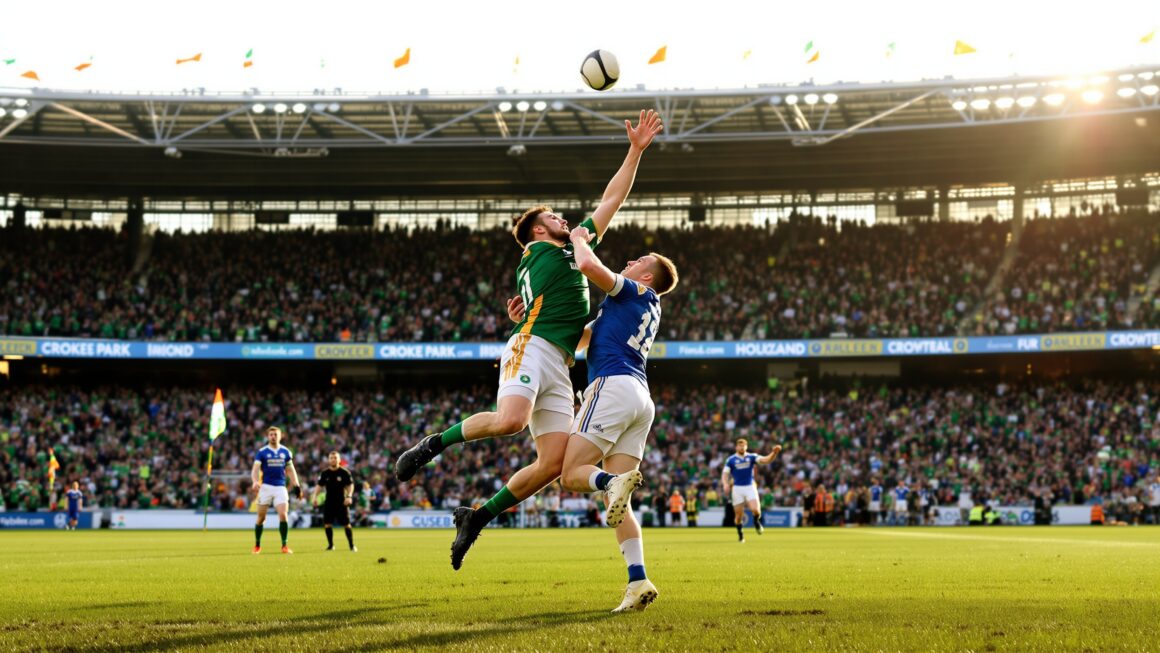
Gaelic football is Ireland’s indigenous, fast-paced field sport played by teams of 15. Players can carry, bounce, kick and hand-pass the ball; points are scored by kicking or punching the ball over the crossbar (1 point) or into the net (a goal worth 3 points). It blends the athleticism of soccer and rugby with aerial skill, quick passing and intense tactical play.
But rules don’t capture the whole story. The way it’s played — fierce tackling, dazzling solo runs, last-minute scores — makes every match a little drama.
Why so many people love it
- Community and county pride: The Gaelic Athletic Association (GAA) is woven into local life. Clubs are neighbourhood hubs where generations meet, volunteer, coach and celebrate.
- Thrilling, accessible action: Matches are typically high-energy and high-scoring. The skillset is varied, so spectacular goals and individual brilliance are common.
- Amateur ethos, huge devotion: Players represent their clubs and counties while remaining amateurs. That fosters a deep connection between ordinary people and local heroes.
- Tradition and modern media: Historic rivalries, the All-Ireland finals at Croke Park, and modern broadcasting mean the game is both heritage and spectacle.
- Inclusive pathways: There are thriving women’s competitions (ladies’ football and camogie for hurling), youth programs and opportunities for late starters.
The culture around the game
Gaelic football is more than tactics: it’s matchday rituals, post-game banter in the pub, club fundraisers, and the pride of wearing county colours. Rivalries that go back decades are discussed with passion, but often with a deep respect for the communities involved.
Many fans can trace their love for the game to underage coaches, siblings who dragged them to training, or a single unforgettable final. That personal history fuels generational support.
How to watch and understand a match (quick guide)
- Duration: Two halves (usually 30 or 35 minutes each depending on level).
- Scoring: Over the bar = 1 point; into the net = 3 points.
- Substitutions and tactics: Expect quick turnovers, strategic use of space, and bursts of scoring.
- Atmosphere tips: Learn the chants, respect the county colours, and watch the build-up play as much as the big moments — that’s where the game’s craft shows.
Where to experience it
- Croke Park (Dublin): The spiritual home for All-Ireland finals and the big occasions.
- Local club matches: Often the purest form of the game — close, passionate and community-driven.
- Pubs and live broadcasts: Saturdays in the autumn and championship Sundays bring the country together.
For newcomers: trying it yourself
- Join a club: Clubs welcome beginners and provide coaching at all ages.
- Simple kit: A jersey, shorts, boots and gumshield get you started.
- Learn the basics: Practice soloing (balancing the ball on the foot), hand-pass accuracy, and safe tackling.
Why it matters beyond sport
Gaelic football keeps local communities connected, offers positive outlets for young people, and preserves a piece of Ireland’s cultural identity. When a whole town lines the street for a returning team bus, you see the real value: sport that binds people together.
Final thought
Whether you love the drama, the skill, or the way the whole parish shows up on a Sunday, Gaelic football gives people something more than entertainment. It’s a shared story — one that explains why so many in Ireland feel a deep affection for this beloved game. If you ever get the chance, go to a club match, learn the chants and feel why the terraces roar.